
I’m pretty sure you’ve watched at least one of Sir David Attenborough’s nature documentaries. Beyond the breathtaking videography and Sir David’s captivating narration, there’s something else that always strikes me: the way each creature and plant is so perfectly adapted to its indigenous surroundings — the weather, the landscape, the predators, and, most importantly, the available food sources.
When these factors are in balance, it ensures strength, vitality, and survival. We watch in awe, marvelling at how nature equips living beings to thrive. But how often do we turn that lens on ourselves?
As humans, we have evolved over millennia to become the most powerful, intelligent species on the planet. But if food sources are so critical to the success of every other species, shouldn’t we consider whether we humans are truly adapted to eating the myriad of packaged foods that constitute the modern diet? Foods such as breakfast cereals, protein bars, factory-made bread, or chocolate biscuits etc?
Official nutrition advice today often points us toward following a Mediterranean-style diet because of the association with increased lifespan and healthy ageing. But let’s again consider this more closely: if humans are only well-suited to Mediterranean food, why did we flourish historically on thousands of diverse local cuisines — from Arctic seal hunters to beef cattle herders to tropical fruit gatherers? Is it simply a coincidence that the last few decades, during which time our food production has rapidly industrialised, have seen such a dramatic rise in chronic health issues?

So, What Does This Have To Do With Managing Stress?
We often think of stress management in terms of getting better sleep, taking more holidays, meditating, or exercising — and all of these are important. But there’s another layer that’s often overlooked: the resilience we can build at a cellular level through what we eat.
Stress is a daily reality for many of us: long working hours, constant digital connectivity, family responsibilities, financial pressures. Chronic stress, if not managed well, can quietly and steadily erode our health, often in ways we don’t fully appreciate until symptoms become intolerable.
It’s worth remembering that the food we eat literally goes into the cellular make-up of our body. Food is not simply a source of energy to be burned off or a supply of vitamins and minerals we extract for essential chemical reactions — it builds the structure of every single cell in our bodies: our hearts, livers, bowels, skin, hair, eyes, bones. The stronger and better nourished these cells are, the better the entire body functions and the more resilient we become, both physically and emotionally.
And what are our cells primarily made of? Essentially water, proteins, and natural fats. Would you rather that your body was built from the best real food sources of these building blocks or the industrially derived formulations that go ultra-processed foods?
Understanding Stress As A Physical and Hormonal Response
Although we often describe stress in emotional terms — feeling anxious, overwhelmed, irritable — stress is, at its core, a physical and hormonal process. If you understand stress this way, then you can understand that different foods can change the state of your body to either raise or lower stress levels. This makes changing the food you eat to manage stress a game-changer for busy professionals. You might not be able to control your workload, change the personality of the difficult people around you, find time for regular exercise etc, but you do have to make time to eat, right?
When we perceive a threat, our bodies initiate the “fight or flight” response. This ancient survival mechanism triggers the release of stress hormones such as adrenaline and cortisol. These hormones prime us for action: heart rate rises, blood sugar levels spike for quick energy, and mental alertness sharpens.
In short bursts, this response is protective and life-saving. However, many modern stressors — tight deadlines, strained relationships, financial worries, nutrient deficiencies, underlying health issues — are chronic, not acute. When the stress response is activated too frequently or for too long, it pushes the body into a prolonged state of high alert, which it simply isn’t designed to maintain indefinitely.
The consequences? Exhaustion, hormonal imbalances, blood sugar dysregulation, immune system suppression, cognitive decline — and an increased risk of many modern chronic diseases.
Blood Sugar: The Hidden Key To Managing Stress
One of the critical but often neglected aspects of stress resilience is maintaining stable blood sugar levels.
Glucose is the brain’s primary source of fuel. If blood sugar levels fluctuate dramatically — something that happens easily with missed meals, sugary snacks, or meals low in protein and healthy fats — the brain’s performance suffers. Symptoms like irritability, difficulty concentrating, anxiety, and the infamous mid-afternoon energy crash are all signs of blood sugar instability.
Each time your blood sugar dips too low, your body perceives it as an emergency. To correct it, more stress hormones are released — especially cortisol. This sets off a vicious cycle: poor food choices destabilise blood sugar, which triggers stress responses, which then further drain your energy, mood, and focus.
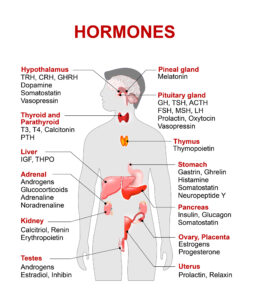
Moreover, the adrenal glands, which produce cortisol, become overworked. Because the body prioritises survival over all else, prolonged cortisol production diverts resources and nutrients away from other vital systems: digestion, reproduction, cognition, immune function, and more. Over time, chronic stress can result in widespread dysfunction throughout the endocrine (hormone) system.
How Food Can Break The Stress Cycle
The good news is that food can be your greatest ally in breaking this stress cycle.
Refined carbohydrates, sugary treats, and ultra-processed foods are absorbed rapidly into the bloodstream, causing sharp blood sugar spikes — and subsequent crashes. In contrast, meals that prioritise high-quality proteins, natural fats, and fibre-rich carbohydrates are digested more slowly, leading to stable, steady energy and a calmer, more balanced internal environment.
In simple terms: the right foods can help lower the physical stress burden on your body — even if your external circumstances haven’t changed.
A Simple Plan to Get Started

If you want to experience the difference, here’s an easy plan to follow for a week:
- Dinner: Prepare a home-cooked meal with your choice of protein (meat, fish, tempeh, beans or lentils/pulses) and high-fibre vegetables cooked in a natural fat (such as olive oil, butter, coconut oil, or sesame oil). Make extra portions for lunch the next day. Finish with full-fat yoghurt and fruit if you wish.
- Breakfast: Prioritise protein and natural fats: think eggs, bacon, avocado, smoked salmon or a very nutty granola served with full-fat dairy or coconut yoghurt.
- Lunch: Use your dinner leftovers combined with a colourful, chunky salad and olive oil-based dressing.
- Dinner: Start again!
Also, aim to drink 2–3 litres of filtered water each day. Dehydration alone can amplify feelings of stress and fatigue.
The biggest challenge is often getting used to the new rhythm, so plan your meals ahead of time to make it as easy as possible. Eat enough to feel full until the next meal and include a variety of ingredients, if possible, to increase the nutrient density, but this can take time to develop. In the beginning, prioritise the regularity of the meals.
For busy professionals juggling work, family, and daily life, understanding that stress is not just an emotional experience but a physical, hormonal state is crucial.
We humans evolved to thrive on real, traditional, home-cooked foods — foods that naturally stabilise blood sugar and nourish every cell in our bodies. By returning to these roots, even in small ways, we can build real resilience against the stresses of modern life and lay the foundation for vibrant, long-term wellbeing.
If you want to know more about how the food you eat can transform your ability to handle stress and overwhelm, book a free call with me and let’s chat!